When homeowners think about improving their property, they tend to think big. New countertops, fresh paint, updated flooring, or maybe a bathroom remodel. But one of the simplest ways to improve the appearance of a home costs about five dollars. I'm talking about light bulbs.
As a Realtor, I spend a considerable amount of time walking through homes throughout Ventura County. Some are beautifully remodeled, others haven't been updated in decades, and plenty fall somewhere in between. One thing I've noticed is that lighting can dramatically influence how a home feels, regardless of how much money has been spent on renovations. An expensive home with beautiful finishes can still feel cold and uninviting if the lighting is wrong, while a relatively modest home can feel warm, comfortable, and welcoming with the right lighting.
The good news is that getting it right doesn't require an electrician, an expensive renovation, or even much effort. A few inexpensive changes can make a remarkable difference. Here are some things worth knowing about light bulbs, lighting temperatures, and a handful of upgrades that can improve just about any home.
1. Understanding Color Temperature: Not All White Light Is Created Equal
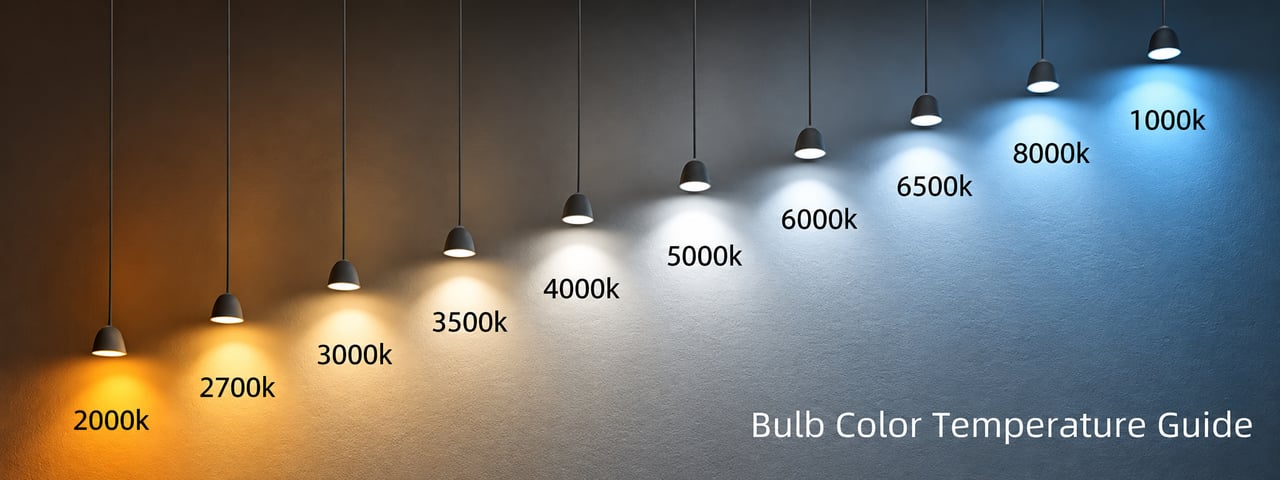
Have you ever walked into a room and immediately felt like something was off, but couldn't quite explain why? It might be the lighting. Light bulbs produce different shades of white light, ranging from warm, slightly yellow tones to cooler, almost blue-white light. This is measured using something called color temperature, expressed in Kelvin (K). The lower the Kelvin number, the warmer the light. The higher the number, the cooler and more clinical it tends to appear.
Here's a simple guide to the most common residential lighting temperatures:
- 2700K: Warm White. Produces a warm, inviting light that's ideal for bedrooms, living rooms, dining rooms, hallways, and most residential spaces.
- 3000K: Soft White. Slightly cooler and more neutral than 2700K. A reasonable option for kitchens and bathrooms.
- 4000K: Neutral White. A noticeably cooler light that can be useful for certain task-oriented applications.
- 5000K: Daylight. A bright, cool light generally better suited to workshops, garages, and utility spaces.
My Recommendation: Stick With 2700K
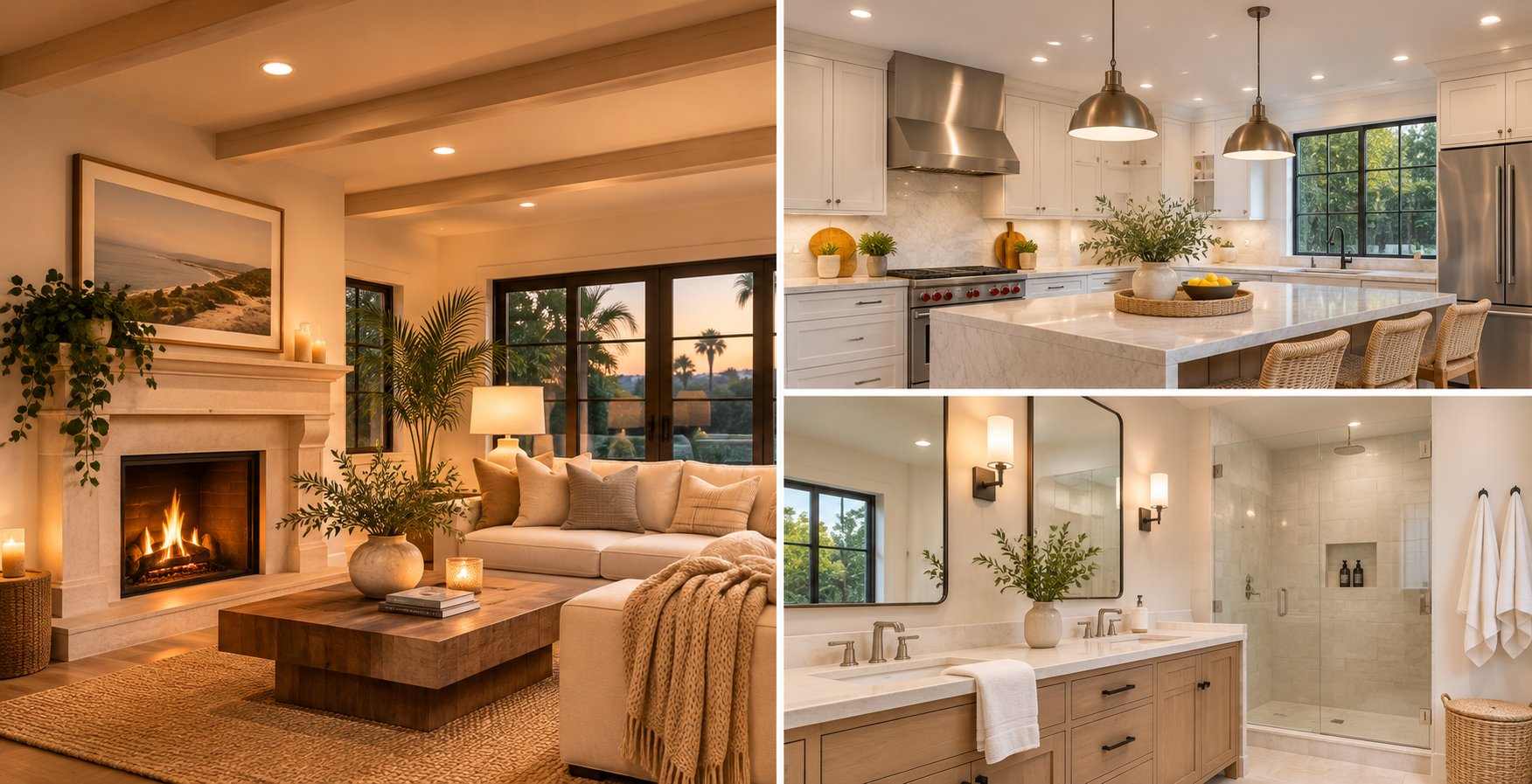
For most homes, my preference is simple: 2700K throughout the house. Bedrooms, living rooms, dining rooms, hallways, you name it. I prefer the warm, inviting appearance of 2700K lighting because it makes a home feel comfortable and residential rather than cold and clinical. The only places I'd consider going a little cooler are kitchens and bathrooms, where 3000K can provide a slightly crisper, cleaner appearance without sacrificing too much warmth.
Beyond that, I generally don't see a reason to use 4000K or 5000K lighting inside the main living areas of a home. Save those cooler temperatures for garages, workshops, and utility spaces. There's nothing quite like walking into a cozy living room at night, only to discover that someone installed 5000K daylight bulbs in every fixture. Suddenly, the room feels less like a home and more like the waiting room at a dentist's office.
Just as important as choosing the right temperature is maintaining consistency. If your kitchen has six recessed lights, three at 2700K and three at 5000K, the result will be an inconsistent mixture of warm and cool light. Even when the difference isn't immediately obvious, the room can feel visually disjointed. When replacing bulbs, purchase enough matching bulbs to complete the entire room, preferably from the same manufacturer and product line to minimize differences in color and brightness.
2. Brightness Matters, Too
Color temperature is only half the equation. The other half is brightness. Years ago, most people shopped for light bulbs based on wattage. A 60-watt bulb was relatively standard, while a 100-watt bulb was considerably brighter. With modern LED lighting, wattage primarily tells you how much electricity a bulb consumes, not how much light it produces. Today, you'll want to look for lumens, which measure the amount of visible light a bulb emits.
As a general reference:
- 450 lumens: Approximately equivalent to a traditional 40-watt incandescent bulb.
- 800 lumens: Approximately equivalent to a traditional 60-watt bulb.
- 1,100 lumens: Approximately equivalent to a traditional 75-watt bulb.
- 1,600 lumens: Approximately equivalent to a traditional 100-watt bulb.
The goal isn't necessarily to make every room as bright as possible. A bedroom might benefit from softer lighting, while a kitchen needs enough illumination for cooking and food preparation. A living room often looks best with multiple sources of light rather than one excessively bright overhead fixture. Table lamps, floor lamps, recessed lighting, and decorative fixtures can work together to create a more comfortable environment, particularly when they're all producing a similar color temperature.
Another specification worth considering is the Color Rendering Index, or CRI, which measures how accurately a light source renders colors compared with a reference light source. This is particularly relevant in kitchens, bathrooms, and spaces where paint colors, flooring, countertops, and artwork are on display. When shopping for bulbs, I would look for a CRI of at least 90 in these areas. Two bulbs can have the same color temperature and brightness but make the colors in a room appear noticeably different.
3. Stop Buying the Cheapest LED Bulbs
LED bulbs have been a tremendous improvement over traditional incandescent lighting. They consume significantly less electricity, produce less waste heat, and can last for years. But not all LED bulbs are created equal, and anyone who has purchased a cheap multipack online has probably experienced the frustration of bulbs burning out much sooner than expected. Some flicker, others produce inconsistent colors, and some don't seem nearly as bright as advertised.
My suggestion is to purchase bulbs from established manufacturers with clear specifications and warranty information. Philips, Sylvania, and GE are among the familiar names worth comparing, although quality can vary between individual product lines. A few extra dollars spent on a better bulb can be worthwhile, particularly when you're replacing bulbs in hard-to-reach fixtures or installing several matching bulbs throughout a room.
There are also a couple of technical considerations that can make a difference in how long your bulbs last. First, make sure your bulbs are compatible with your dimmer switches. Not every LED is dimmable, and even bulbs marketed as dimmable can flicker or perform poorly when paired with an incompatible switch. If you have dimmers, check the manufacturer's compatibility information before purchasing. If you don't need dimming, a standard non-dimmable LED is generally sufficient.
Second, pay attention to enclosed fixtures. You know those common ceiling fixtures with a frosted glass dome covering the bulb? They're found in countless homes, particularly in hallways, bedrooms, and closets. Because the bulb is enclosed, heat can accumulate inside the fixture, and excessive heat can shorten the lifespan of the electronics inside an LED bulb. If you're replacing bulbs in an enclosed fixture, look specifically for LEDs labeled as suitable for enclosed fixtures. It's a small detail that can save you from replacing the same bulb over and over again.
4. Motion Sensor Switches Are an Underrated Upgrade
One of the more practical home improvements that doesn't get much attention is the motion-activated light switch. Think about the rooms you frequently enter with your hands full: laundry rooms, closets, garages, pantries, and storage areas. Instead of fumbling around for a switch, imagine the lights turning on automatically when you enter and shutting off after you leave. It's a small convenience, but one that can make everyday life a little easier.
Companies like Lutron manufacture occupancy sensor switches designed for residential use, many of which allow you to adjust how long the lights remain on after motion is no longer detected. Some also offer vacancy sensor settings, which require you to turn the light on manually but automatically shut it off when the room is empty. This can be particularly useful in rooms where you don't necessarily want the lights activating every time someone walks past.
Beyond convenience, these switches can reduce unnecessary electricity consumption in areas where lights are frequently left on. They're also relatively inexpensive compared with most home improvement projects. Just be sure to select switches compatible with your home's wiring and lighting fixtures, and have a qualified electrician handle the installation if you're not experienced with electrical work.
5. Put Your Outdoor Lighting on a Schedule
Exterior lighting serves several purposes. It makes a home more welcoming, helps illuminate walkways and entry points, and improves visibility around the property after dark. But homeowners frequently forget to turn their exterior lights on in the evening, or they leave them running all day because nobody remembers to turn them off. A programmable or smart lighting system can solve both problems.
For example, Lutron's Caséta system allows compatible lights to operate on schedules, including turning on around sunset and shutting off at a predetermined time. Imagine your front porch lights, landscape lighting, and exterior accent lights automatically turning on every evening without having to touch a switch. You can also adjust schedules throughout the year without manually resetting an old-fashioned timer every time sunset changes.
Some smart lighting systems can also control interior lamps, allowing you to create a consistent evening lighting schedule throughout the house. I particularly like the idea of having a few lamps turn on automatically around sunset, creating a warm atmosphere before you even walk through the front door. Certain systems use a dedicated hub and can retain programmed schedules without a continuous internet connection, although functionality varies by product and configuration.
For homeowners interested in home automation, lighting is a practical place to start. It's relatively straightforward, doesn't require a major investment, and provides a benefit you'll notice every day.
6. Preparing to Sell? Pay Attention to Your Lighting
Now, let me put my Realtor hat on for a moment. When preparing a home for sale, I pay close attention to how each room presents itself, both in person and in photographs. Lighting is a big part of that, and it's something homeowners can address relatively inexpensively before their property goes on the market.
Professional photography can do an incredible job showcasing a property, but inconsistent lighting makes that job more difficult. Imagine photographing a kitchen with six recessed lights. Four produce warm white light, one produces bright blue-white light, and another is burned out entirely. It's a small issue, but it's distracting, particularly when the rest of the kitchen has been carefully prepared for photographs.
The same principle applies when buyers tour the property. A dark hallway, a poorly illuminated kitchen, or a living room with harsh overhead lighting can affect the overall impression of the home. Buyers may not consciously identify the color temperature of a light bulb, but they certainly notice whether a room feels comfortable, inviting, and well-maintained. Lighting contributes to that impression, just as paint colors, furniture placement, and natural light do.
Before listing a property, I recommend walking through every room and evaluating the lighting. Replace burned-out bulbs, match color temperatures within each space, and make sure the fixtures provide appropriate illumination. Consider adding lamps to rooms that lack sufficient overhead lighting, particularly living rooms and bedrooms where softer, layered lighting can create a more inviting atmosphere. In many cases, simply replacing mismatched bulbs can make a room feel noticeably more cohesive.
Don't forget the exterior, either. If your home has attractive landscaping, architectural details, or a welcoming front entry, properly positioned exterior lighting can help highlight those features during evening showings. This is particularly relevant for homes with outdoor entertaining areas, patios, and landscaped yards, which are desirable features for many Ventura County buyers.
None of these improvements requires spending thousands of dollars, and that's precisely why I like them. When preparing a home for sale, the goal is to identify improvements that meaningfully enhance the property's presentation without unnecessarily increasing the seller's expenses. Lighting is one of the first places I'd look.
7. One More Thing: Choose the Right Bulb for the Fixture
Not every light bulb fits every fixture, and the terminology can get confusing. What most people think of as a standard household light bulb is typically an A19, which describes the familiar pear-shaped bulb commonly found in table lamps and ceiling fixtures. The standard medium screw base used by many household bulbs in the United States is called an E26, while the smaller candelabra screw base commonly found in chandeliers and decorative fixtures is called an E12.
You'll also encounter BR30 and BR40 flood-style bulbs, often used in recessed ceiling lights, along with other specialty shapes designed for particular applications. The shape of the bulb, the size of its base, and its lighting technology are separate characteristics, so it's important to make sure you're purchasing the correct combination for your fixture.
Before ordering a large quantity of replacement bulbs, check the fixture's labeling and confirm you're buying the appropriate type. Pay attention to the bulb's physical dimensions, electrical specifications, and any restrictions related to enclosed fixtures or dimmer switches. It's worth taking a minute to get this right rather than discovering that your new bulbs don't fit after you've already opened the packaging.
Small Changes, Big Difference
Not every home improvement needs to involve a contractor, a permit, or a five-figure budget. Sometimes the most effective upgrades are also the simplest, and lighting is a perfect example. The right bulbs can make a bedroom feel more relaxing, a kitchen more functional, and a living room more inviting. Motion sensors can make everyday routines more convenient, while automated exterior lighting can improve the way your home presents itself after dark.
If there's one thing I'd encourage homeowners to remember, it's this: stick with 2700K for most of your home, consider 3000K for kitchens and bathrooms, and keep your lighting consistent. You don't need bright white, hospital-style lighting to make a room feel clean or well-illuminated. In fact, warmer lighting often does a much better job of making a home feel like a place where people actually want to spend time.
And if you're thinking about selling your home, these are precisely the kinds of inexpensive details worth addressing before professional photographs and buyer showings. Before you start planning an expensive renovation, take a walk through your house tonight and pay attention to the lighting. You might be surprised by how much you can improve with a handful of light bulbs.
Grant Leichtfuss
Ventura Realtor | Berkshire Hathaway HomeServices
Helping homeowners throughout Ventura County make informed decisions about buying, selling, and improving their properties.