For Ventura residents who purchased a condominium before the pandemic, the past several years have been something of a financial roller coaster. Historically low mortgage rates, surging buyer demand, rapidly appreciating property values and, more recently, rising borrowing costs have fundamentally changed the economics of condominium ownership.
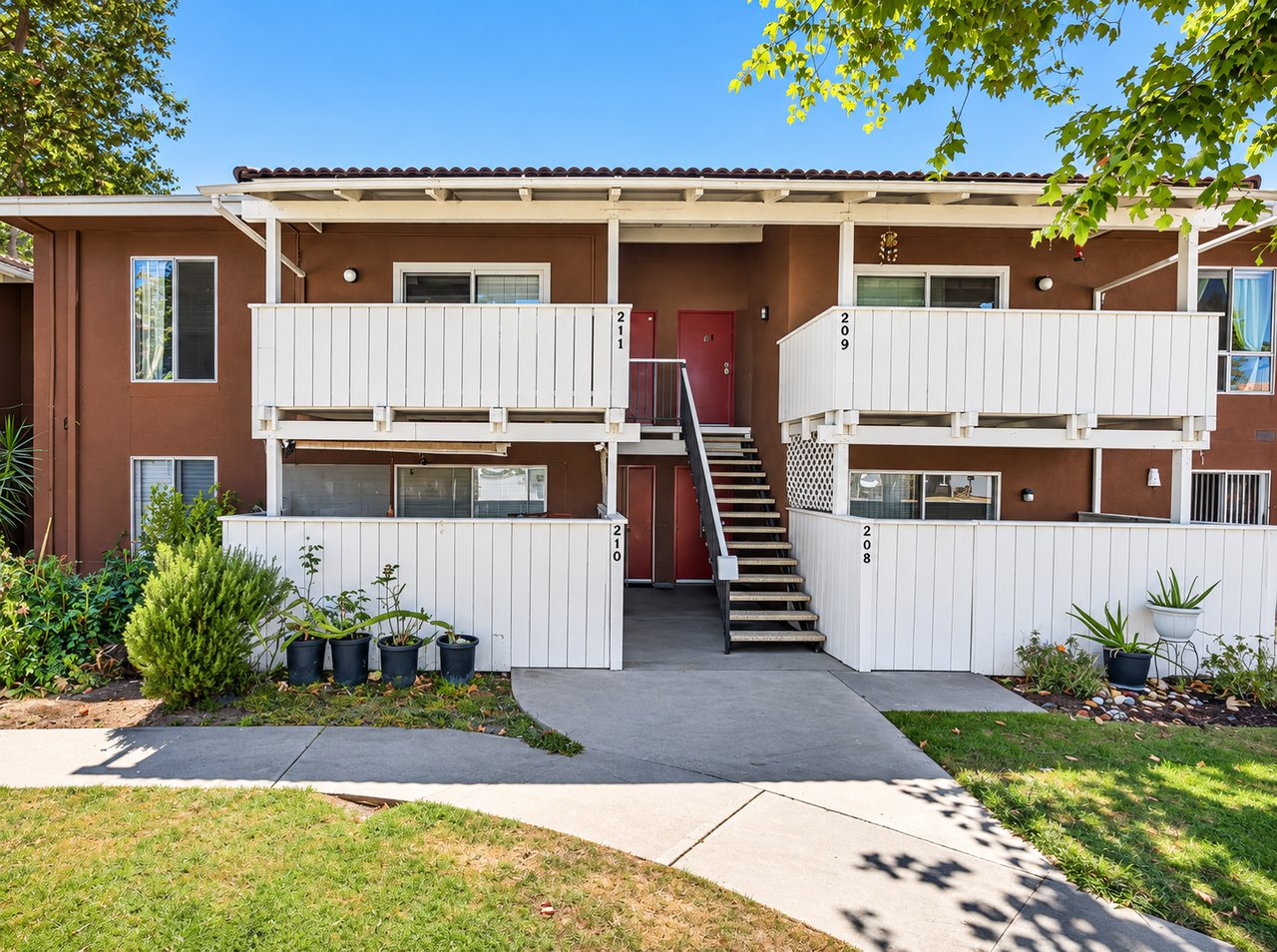
Few communities illustrate these changes quite like Peppertree, an established condominium development in Ventura.
In 2019, the median condominium at Peppertree sold for $248,900. By 2024, that figure had climbed to $410,000, an increase of nearly 65% in five years. Today, however, the market looks considerably different. Through November 20, 2026, the median sale price has fallen to $360,000, while buyers are contending with higher mortgage rates, increased homeowners association dues, costly building repairs and a substantially higher cost of ownership.
To better understand these changes, I reviewed eight years of Multiple Listing Service (MLS) data, examining transaction volume, sale prices, marketing times and the relationship between asking prices and final sale prices.
The results tell an interesting story about the condominium market, including how changes in California law and mortgage lending guidelines can affect property values.
Before COVID: A Relatively Affordable Entry Into Homeownership
In 2019, Peppertree represented a comparatively affordable opportunity for buyers looking to enter Ventura's housing market.
Seventeen condominiums sold that year, with an average sale price of $254,929 and a median of $248,900. The typical unit sold for approximately $273 per square foot, and properties spent an average of 67 days on the market.
Buyers generally had room to negotiate. On average, properties sold for 97.68% of their final asking prices. Relative to their original asking prices, the average sale-to-list ratio was even lower, at 93.48%.
Monthly homeowners association dues were approximately $395, adding $4,740 annually to the cost of ownership. For a buyer purchasing at the median price with 20% down, the mortgage amount would have been approximately $199,120.
That relatively modest purchase price, particularly by Ventura standards, made Peppertree an attractive option for first-time buyers, downsizers and others seeking an alternative to more expensive single-family homes.
Within a few years, however, those same condominiums would be selling for substantially more.
2020–2022: The Pandemic Housing Boom
When COVID-19 arrived in early 2020, few could have predicted the extraordinary housing market that would follow.
The Federal Reserve's response to the pandemic helped push mortgage rates to historic lows. By 2021, qualified borrowers could obtain 30-year fixed-rate mortgages below 3%, dramatically increasing purchasing power and encouraging buyers to enter the market.
Peppertree experienced the effects firsthand. In 2020, the community recorded 23 closed sales, up from 17 the previous year. The median sale price increased to $265,500, while average marketing time fell from 67 days to 47.
The following year, the market accelerated dramatically.
In 2021, 34 condominiums sold at Peppertree, twice the number recorded in 2019. The median sale price jumped to $330,000, a remarkable 24.3% increase over 2020. Buyers were frequently exceeding asking prices, with the average sale-to-list-price ratio reaching 101.24%. Meanwhile, average marketing time dropped to just 27 days.
The appreciation continued into 2022, when the median sale price reached $364,000. That represented a 46.2% increase over the 2019 median, equivalent to an additional $115,100.
For homeowners who purchased before the pandemic, the gains were substantial. For prospective buyers, what had once been a relatively accessible entry point into Ventura homeownership was becoming increasingly expensive.
And just as prices were reaching new heights, the financial environment began changing.
2023–2024: Mortgage Rates Rise, But Prices Remain Resilient
Beginning in 2022, the Federal Reserve aggressively raised interest rates in response to inflation. Mortgage rates followed, eventually climbing above 7% for many borrowers.
The impact on affordability was immediate. A buyer financing a $300,000 mortgage at 3% would have a monthly principal and interest payment of approximately $1,265. At 7%, that same mortgage would cost approximately $1,996 per month, an increase of more than $700 without borrowing an additional dollar.
Conventional wisdom might suggest that such a dramatic increase in borrowing costs would lead to an equally dramatic decline in property values.
But that isn't what happened at Peppertree.
In 2023, the community recorded just eight closed sales, a staggering 76.5% decline from the 34 transactions completed in 2021. Despite the sharp reduction in activity, the median sale price remained essentially unchanged at $363,500.
Then, in 2024, something even more surprising occurred. Peppertree's median sale price climbed to $410,000, the highest annual median in the eight years reviewed. The average sale price reached $413,953, and 16 condominiums changed hands.
How could prices continue climbing while mortgage rates remained elevated?
One possible explanation is the mortgage-rate lock-in effect. Homeowners who purchased or refinanced during the pandemic often secured extraordinarily low interest rates. Selling their properties and purchasing another home would mean giving up those favorable financing terms and accepting a substantially higher monthly payment.
Consequently, many homeowners had little financial incentive to move. With fewer properties available for purchase, prices could remain elevated even as higher borrowing costs reduced the number of qualified buyers.
Peppertree's sales figures are consistent with that broader pattern, although MLS data alone cannot establish precisely why individual owners chose not to sell.
What the numbers do demonstrate is that transaction volume declined well before property values began showing meaningful weakness.
But mortgage rates weren't the only challenge facing Peppertree. The community was also navigating an increasingly complicated regulatory and lending environment.
California's Balcony Inspection Law: An Expensive New Reality for Condo Owners
In 2019, California enacted Senate Bill 326, requiring condominium associations to periodically inspect certain exterior elevated structures. The law applies to qualifying balconies, decks, stairways and elevated walkways supported by wood or wood-based materials that extend more than six feet above ground level.
The legislation was intended to address structural safety concerns, particularly deterioration caused by moisture intrusion and deferred maintenance. Associations were required to complete their initial inspections by January 1, 2025, with subsequent inspections at least every nine years.
These inspections must be conducted by qualified licensed professionals, and significant deficiencies must be addressed. For older condominium communities, the financial implications can be substantial.
At Peppertree, balcony inspections and the resulting repair needs became a significant issue. The association levied a special assessment of several thousand dollars per unit to address deteriorating balconies throughout the community.
Unlike regular monthly HOA dues, a special assessment is an additional charge imposed on homeowners to cover expenses that cannot be adequately funded through existing budgets or reserves. Homeowners may suddenly be required to contribute thousands of dollars toward shared repairs, even when their individual units are otherwise in good condition.
The broader issue is that many older condominium developments face substantial maintenance obligations as their buildings age. Balconies, roofs, plumbing, waterproofing and other shared components eventually require repair or replacement. When associations lack sufficient reserves, special assessments or increased monthly dues may become necessary.
And while these inspections are intended to improve building safety, they can also uncover problems that affect something equally important: the ability to obtain mortgage financing.
Changing Fannie Mae and Freddie Mac Guidelines: When a Condo Becomes Difficult to Finance
Most buyers understand that lenders evaluate income, credit scores, employment history and down payments. But condominium purchases involve an additional layer of scrutiny that generally doesn't apply to detached single-family homes.
The lender must also evaluate the condominium association itself.
Fannie Mae and Freddie Mac, the government-sponsored enterprises that purchase and guarantee a substantial portion of conventional mortgages, establish eligibility requirements for condominium projects.
Following the 2021 collapse of the Champlain Towers South condominium building in Surfside, Florida, both organizations strengthened their scrutiny of buildings with significant deferred maintenance, structural deficiencies, inadequate insurance and outstanding critical repairs.
Fannie Mae incorporated more extensive requirements concerning critical repairs and unsafe conditions into its Selling Guide in 2023, while Freddie Mac implemented similar standards.
Under these guidelines, lenders may review HOA budgets, reserve allocations, inspection reports, engineering assessments, board meeting minutes and outstanding special assessments. If a condominium project has unresolved critical repairs affecting structural safety or habitability, it may be ineligible for conventional financing through Fannie Mae or Freddie Mac until the necessary work has been completed and documented.
The distinction between routine maintenance and critical repairs is important. Ordinary preventative maintenance does not automatically make a project ineligible. However, significant structural deterioration, unsafe balconies or unresolved safety issues can create substantial financing obstacles.
Special assessments also receive scrutiny. Lenders need to understand why an assessment was imposed, how much remains outstanding and whether the underlying repairs have been completed. Collecting money for repairs does not necessarily resolve an eligibility problem if critical work remains unfinished.
Reserve funding is another consideration. Under Fannie Mae's full project review standards, condominium associations generally have been required to allocate at least 10% of annual budgeted assessment income toward replacement reserves, subject to applicable review requirements and alternatives. Fannie Mae has announced an increase to 15% for applicable projects beginning January 4, 2027.
The goal is to ensure associations are better prepared to fund future maintenance rather than relying exclusively on unexpected special assessments.
For buyers and sellers, however, these requirements can have significant consequences.
At Peppertree, the balcony repair situation created financing difficulties. For approximately a year, buyers were largely limited to non-qualified mortgage, or non-QM, financing options rather than traditional agency-backed conventional loans.
Non-QM financing can provide an alternative when a property or borrower does not meet conventional lending requirements, but these loans may carry higher interest rates, larger down payment requirements or less favorable terms.
That can dramatically shrink the pool of potential buyers.
Consider a condominium listed for $400,000. If a qualified buyer can obtain a conventional mortgage with 10% or 20% down, the property may be accessible to a broad group of purchasers. But if conventional financing is unavailable and buyers must use alternative financing with more restrictive terms, some interested buyers may be unable or unwilling to proceed.
Fewer eligible buyers can mean less competition, longer marketing times and greater pressure on sellers to negotiate.
This doesn't mean Peppertree's recent price declines can be attributed entirely to balcony repairs or changing mortgage guidelines. Higher borrowing costs and broader affordability challenges undoubtedly played a role.
Nevertheless, the community illustrates an important reality of condominium ownership: the condition and financial management of an entire association can affect the marketability and value of every individual unit within it.
A beautifully remodeled condominium can still be difficult to sell if the association has unresolved structural problems or cannot satisfy conventional lending requirements.
2025–2026: Signs of a Market Correction
After several years of extraordinary appreciation, Peppertree's market began showing signs of cooling in 2025.
The community recorded 12 closed sales, with a median sale price of $402,000, down modestly from the previous year's $410,000.
More revealing was the amount of time properties spent on the market. Average marketing time increased to 64 days in 2025, compared with just 26 days in 2023. Properties also sold for an average of 96.78% of their original asking prices, suggesting sellers were increasingly adjusting their expectations to attract buyers.
By 2026, the price correction had become more apparent.
Through November 20, 11 condominiums had sold at Peppertree, with an average sale price of $354,263 and a median of $360,000.
Compared with the 2024 peak, the median sale price had declined approximately 12.2%, while the average sale price had fallen approximately 14.4%.
That is a meaningful change, particularly for homeowners who purchased near the top of the market.
Still, the data contains an interesting contradiction. Of the 11 condominiums sold in 2026, eight spent 30 days or fewer actively listed in the MLS. At the same time, the average property sold for just 95.66% of its original asking price.
Buyers are still willing to act relatively quickly, but they appear less willing to pay the prices sellers initially hope to achieve.
There is another important distinction in the 2026 figures. While average days active in the MLS was 39, average cumulative days on market reached 74. This discrepancy can occur when properties are withdrawn and relisted or accumulate marketing time across multiple listing periods.
For sellers, this underscores the importance of accurate pricing from the outset. A property may appear relatively new under its current listing, even though buyers have had opportunities to consider it previously.
It is also worth remembering that these annual statistics represent different condominiums selling in different years. Variations in floor plans, square footage, condition and renovations can influence average and median prices. The data indicates a cooling market, but it does not establish that every individual condominium has declined by the same percentage.
The Other Side of Affordability: Rising HOA Dues
Purchase prices and mortgage rates receive most of the attention in discussions about housing affordability, but condominium buyers must also account for homeowners association expenses.
At Peppertree, monthly HOA dues were approximately $395 in 2019. Today, those dues are $506.
That's an increase of $111 monthly, or approximately 28.1% over seven years. Annually, the cost has risen from $4,740 to $6,072.
Spread across that period, the increase represents approximately 3.6% annually when compounded.
HOA dues fund the maintenance, insurance and operation of shared community property. The amounts paid by homeowners depend on operating expenses, reserve requirements, insurance obligations and other financial considerations.
The balcony repairs and special assessment at Peppertree illustrate why buyers should examine more than current monthly dues. A community's reserve funding, maintenance history, outstanding repairs and planned improvements can all influence future ownership costs.
Without reviewing Peppertree's historical budgets and reserve studies, it would be inappropriate to attribute the increase in dues to any particular expense or management decision.
Nevertheless, HOA dues become especially important when combined with higher mortgage rates and property values.
Consider the difference between purchasing a condominium at Peppertree in 2019 and purchasing one today.
A buyer purchasing at the 2019 median of $248,900 with 20% down would have needed approximately $49,780 for the down payment, financing $199,120.
A buyer purchasing at the 2026 median of $360,000 with the same 20% down would need $72,000 upfront and finance $288,000.
That's an additional $22,220 for the down payment and nearly $89,000 more in mortgage debt.
Using illustrative 30-year fixed mortgage rates of 4% in 2019 and 6.5% in 2026, the first buyer's monthly principal and interest payment would be approximately $951, while the second buyer's payment would be approximately $1,820.
Add HOA dues, and the monthly total increases from approximately $1,346 in 2019 to $2,326 in 2026.
That's nearly $1,000 more per month for principal, interest and HOA dues alone, before property taxes, homeowners insurance, special assessments or other expenses.
These are hypothetical financing scenarios, not the actual mortgage rates obtained by Peppertree buyers in either year. Nevertheless, they illustrate how dramatically the economics of condominium ownership have changed.
A condominium can be worth substantially more than it was seven years ago while simultaneously becoming considerably less affordable for the next buyer.
Eight Years of Peppertree Sales at a Glance
Year | Closed Sales | Median Sale Price | Average Days on Market |
|---|---|---|---|
2019 | 17 | $248,900 | 67 |
2020 | 23 | $265,500 | 47 |
2021 | 34 | $330,000 | 27 |
2022 | 22 | $364,000 | 37 |
2023 | 8 | $363,500 | 26 |
2024 | 16 | $410,000 | 38 |
2025 | 12 | $402,000 | 64 |
2026* | 11 | $360,000 | 39 |
2026 figures are year-to-date through November 20, 2026. Source: MLS closed-sale statistics for the Peppertree community, compiled by Grant Leichtfuss. Individual property values vary.
What Does This Mean for Peppertree Homeowners and Buyers?
The past eight years at Peppertree illustrate just how much the real estate market can change in a relatively short period.
Homeowners who purchased before the pandemic have generally benefited from substantial appreciation. Even after the recent correction, the community's 2026 median sale price remains approximately 44.6% higher than it was in 2019.
The situation is different for homeowners who purchased in 2024 or early 2025. With recent sales indicating softer prices, some may find their properties would sell for less than they paid, particularly after transaction expenses.
For prospective buyers, prices have retreated from their highs, and sellers appear more willing to negotiate than they were during the pandemic. However, higher mortgage rates, elevated property values and rising ownership expenses mean affordability remains considerably more challenging than it was in 2019.
Condominium buyers also face considerations beyond the purchase price. The condition of shared structures, adequacy of reserves, potential special assessments and eligibility for conventional financing can all influence whether a particular property represents a sound purchase.
Peppertree's experience with balcony inspections and financing restrictions is a reminder that these issues are not merely administrative details. They can have direct consequences for homeowners attempting to sell and buyers attempting to obtain financing.
It is also important to distinguish between a declining market and a market returning to more normal conditions. The extraordinary appreciation of 2020 through 2022 was fueled in part by financing conditions unlikely to be repeated in precisely the same way anytime soon.
Perhaps the most important takeaway from Peppertree's eight-year history is that real estate prices don't always respond immediately to changes in the broader economy.
Mortgage rates began climbing sharply in 2022, yet Peppertree's median sale price did not peak until 2024. Transaction activity slowed first, while prices remained resilient for another two years.
Now, with prices retreating from their highs, the community appears to be experiencing the combined effects of a more expensive borrowing environment, changing buyer expectations and the additional financial considerations associated with condominium ownership.
Whether the recent correction continues, stabilizes or reverses will depend on mortgage rates, available inventory, buyer demand, association finances and access to competitive mortgage financing.
For now, the numbers tell a clear story: Peppertree remains substantially more valuable than it was before the pandemic, but the extraordinary seller's market of 2021 and 2022 has given way to a more price-sensitive environment.
And for buyers and sellers alike, understanding that distinction is more important than ever.
Grant Leichtfuss is a Ventura Realtor with Berkshire Hathaway HomeServices, specializing in residential real estate throughout Ventura County. His market reports examine local housing trends, neighborhood sales activity and the factors affecting homeowners and prospective buyers.