California voters approved Proposition 37 in the November 3, 2026 election, establishing a new statewide mortgage assistance program intended to help middle-income households purchase newly constructed homes.
Officially known as the Middle Class Homeownership and Family Home Construction Act of 2026, the measure authorizes the California Housing Finance Agency (CalHFA) to issue up to $25 billion in revenue bonds to finance mortgage assistance for qualifying homebuyers.
The concept is relatively straightforward. An eligible buyer contributes at least 3% of the purchase price, the state provides a second mortgage covering up to an additional 17%, and a conventional first mortgage finances the remaining 80%. For a buyer purchasing a $900,000 home, that could mean contributing just $27,000 of their own money toward the down payment rather than the $180,000 traditionally associated with putting 20% down.
That's a substantial difference, particularly in expensive housing markets like Ventura County, where accumulating a large down payment can be one of the biggest obstacles to homeownership. However, Proposition 37 comes with important eligibility restrictions, repayment obligations, and limitations on which properties qualify. And while voters have approved the measure, CalHFA must still establish the program's operational details before buyers can begin using it.
How Does Proposition 37 Work?
Proposition 37 creates a financing structure designed to help buyers reach a combined 20% down payment without having to save that entire amount themselves. Rather than providing a grant or forgivable loan, the state would offer qualifying buyers a fixed-rate second mortgage funded through the sale of revenue bonds to private investors. The buyer would then make payments on both the first mortgage and the state-sponsored second mortgage.
Here's how the financing could work on a $900,000 newly constructed home:
Financing Component | Amount |
|---|---|
Home purchase price | $900,000 |
Buyer's contribution (3%) | $27,000 |
Prop 37 second mortgage (17%) | $153,000 |
Conventional first mortgage (80%) | $720,000 |
Total borrowed | $873,000 |
In this example, the buyer would have a conventional first mortgage of $720,000 and a separate $153,000 second mortgage through the Proposition 37 program. The combined financing would allow the buyer to reach the equivalent of a 20% down payment, potentially eliminating the need for private mortgage insurance (PMI) on the first mortgage.
However, it's important to understand that the buyer still owes 97% of the home's purchase price. The program reduces the amount of cash needed upfront, but it does not eliminate the debt associated with that down payment. Buyers would also need additional funds for closing costs and other expenses associated with purchasing a home.
Who Qualifies for Proposition 37?
Unlike some existing California down payment assistance programs, Proposition 37 is not exclusively reserved for first-time homebuyers. That distinction could make the program attractive to a broader group of Californians, including renters purchasing their first property and existing homeowners seeking to purchase a newly constructed residence.
The measure establishes several primary eligibility requirements:
California residency: Applicants must have been California residents for at least one year.
Income limitations: Household income cannot exceed 200% of the applicable area median income, or AMI. This threshold varies by location and household size, meaning eligibility in Ventura County may differ significantly from eligibility elsewhere in California.
To put that into perspective, the 2026 area median family income for Ventura County is approximately $135,600 for a family of four, according to federal housing income data. At 200% of that figure, a four-person household earning up to approximately $271,200 annually could potentially qualify under Proposition 37's income requirements.
For additional context, here are illustrative income thresholds based on the 2026 Ventura County housing income tables:
Household Size | Approximate 200% AMI |
|---|---|
1 person | $219,800 |
2 people | $251,200 |
3 people | $282,600 |
4 people | $314,000 |
Note: These figures use the California Tax Credit Allocation Committee's 2026 household-size-adjusted income schedule. The four-person figure in that schedule is $157,000 at 100% of its income level, whereas HUD's published median family income for Ventura County is $135,600. The final Prop 37 income limits will depend on the specific income methodology CalHFA adopts.
Minimum buyer contribution: Buyers must contribute at least 3% of the home's purchase price from their own funds or other permitted sources.
Owner occupancy: The property must be purchased as a residence and occupied by the borrower. This is not intended to be a financing program for investors purchasing rental properties.
Qualifying property: The home must be newly constructed or a qualifying newly created residential unit converted from a nonresidential building. The borrower must be its first purchaser. Existing resale homes, whether in Ventura's Midtown neighborhood, Ondulando, the Ventura Keys, or elsewhere, generally would not qualify.
Purchase price limitations: The property must fall within the program's applicable purchase price limits, which generally range from approximately $1 million to $1.5 million, depending on the county and annual adjustments.
CalHFA will be responsible for implementing the program and establishing additional operational requirements, including how applicants are evaluated and how financing is distributed. Meeting the program's income limits will not automatically guarantee mortgage approval, as borrowers will still need to demonstrate their ability to repay both loans.
You Don't Have to Be a First-Time Homebuyer
One of Proposition 37's more interesting features is that it does not require participants to be first-time homebuyers. Many existing down payment assistance programs are structured specifically for individuals who have never owned a home or have not owned one within a designated period. Proposition 37 takes a different approach by allowing existing homeowners to potentially participate, provided they meet the program's other eligibility requirements.
For example, a family selling an older home in Ventura's East End and purchasing a newly constructed property in Oxnard or Camarillo could potentially qualify, assuming the new property meets the program's income, occupancy, and purchase price requirements. This could be particularly relevant to homeowners looking to transition into a newer property without committing a substantial amount of cash toward the down payment.
Of course, a homeowner selling a property with significant equity may already have sufficient funds to make a traditional down payment. In that situation, taking on an additional mortgage may not be the most economical option. But for households seeking to preserve cash for other expenses, investments, or reserves, Proposition 37 could provide another financing alternative worth evaluating.
What Would the Monthly Payments Actually Look Like?
While the prospect of purchasing a home with just 3% down is appealing, buyers should pay close attention to the monthly cost of carrying two mortgages. Unlike California's existing Dream for All Shared Appreciation Loan, Proposition 37 is structured around a second mortgage that requires regular monthly payments.
Consider the same $900,000 home discussed earlier. Assume the buyer obtains a $720,000 conventional first mortgage at 6.5% interest, amortized over 30 years. That first mortgage would carry a principal and interest payment of approximately $4,551 per month.
Now assume the buyer also obtains a $153,000 Proposition 37 second mortgage at an illustrative 5% interest rate, also amortized over 30 years. That second mortgage would add approximately $821 per month, bringing the combined principal and interest payment to approximately $5,372 per month.
That figure does not include property taxes, homeowners insurance, HOA dues, maintenance, or other ownership expenses. These interest rates and repayment terms are hypothetical examples, not published Proposition 37 loan terms. CalHFA has not yet established the actual financing rates or repayment schedules.
The example illustrates an important distinction: Proposition 37 could substantially reduce the cash required to purchase a home without necessarily reducing the buyer's total monthly housing expense.
Depending on the second mortgage's interest rate and repayment terms, the total monthly payment could be higher than some buyers initially expect. For a household with strong income but limited savings, that tradeoff could be worthwhile. For a buyer already struggling to qualify for a monthly mortgage payment, however, the additional financing may provide less benefit.
Will Buyers Have to Share Their Home's Appreciation With the State?
Another important distinction between Proposition 37 and certain existing California homebuyer assistance programs is how homeowners repay the assistance.
Under CalHFA's Dream for All Shared Appreciation Loan program, participating buyers generally agree to repay the original assistance plus a specified percentage of their home's appreciation when a repayment event occurs. Proposition 37 does not establish that same shared-appreciation structure. Instead, the assistance is provided as a traditional debt obligation, with principal and interest repayment requirements.
That means a homeowner who purchases a property using Proposition 37 financing would not be required to surrender a percentage of the property's appreciation to the state under the program's basic structure. The outstanding second mortgage would still need to be repaid according to its terms, but the homeowner would retain the property's appreciation, subject to any other financial obligations.
For buyers who anticipate owning their property for an extended period, particularly in established markets like Ventura County where long-term appreciation can be an important component of household wealth, retaining that appreciation could be an attractive feature.
How Is Proposition 37 Different From California Dream for All?
California already operates several down payment assistance programs, but Proposition 37 introduces a different approach. The Dream for All program is designed around shared appreciation, while Proposition 37 uses a repayable, fixed-rate second mortgage.
Feature | Prop 37 | Dream for All |
|---|---|---|
Assistance | Up to 17% | Up to 20%, subject to caps |
First-time buyer required | No | Yes |
New construction required | Yes | No |
Monthly second-mortgage payments | Yes | Generally deferred |
State shares appreciation | No | Yes |
Income restrictions | Up to 200% AMI | Program-specific limits |
Dream for All generally requires eligible borrowers to be first-time and first-generation homebuyers and operates through limited funding opportunities. Proposition 37 potentially expands eligibility to existing homeowners and households with higher incomes, but restricts qualifying purchases to newly constructed properties.
Neither program is automatically better. The most appropriate financing structure depends on the buyer's income, available savings, desired property, anticipated ownership period, and ability to manage monthly payments.
Where Does the $25 Billion Come From?
Proposition 37 authorizes CalHFA to issue up to $25 billion in revenue bonds. These bonds would be sold to investors, providing the capital necessary to fund the second mortgages offered to qualifying buyers.
Unlike general obligation bonds, which are typically repaid using government revenues, revenue bonds are intended to be repaid through income generated by the financed program. In this case, homeowners receiving assistance would make mortgage payments, and those payments would support repayment of the bonds and associated program expenses.
According to the California Legislative Analyst's Office, Proposition 37 is not expected to create direct state or local government costs. However, authorizing $25 billion in bonds does not mean that $25 billion will immediately become available to borrowers.
CalHFA will determine how much debt to issue and over what period. Investor demand, interest rates, program administration, and borrower participation will all influence how quickly the program develops. The agency is also required to keep borrowing costs for participating homebuyers as low as possible, although the actual interest rates have yet to be determined.
What Could Proposition 37 Mean for Ventura County?
For Ventura County, Proposition 37 presents an interesting opportunity, particularly for households earning solid middle-class incomes that have nevertheless struggled to accumulate sufficient savings for a home purchase.
In my experience working with buyers throughout Ventura, Oxnard, and Camarillo, the down payment is frequently one of the largest barriers to entering the housing market. A household might have two stable incomes, strong credit, and sufficient earnings to support a mortgage payment, but saving $150,000 or $200,000 while paying rent and covering everyday living expenses can be extremely difficult. Proposition 37 is designed to address that particular challenge.
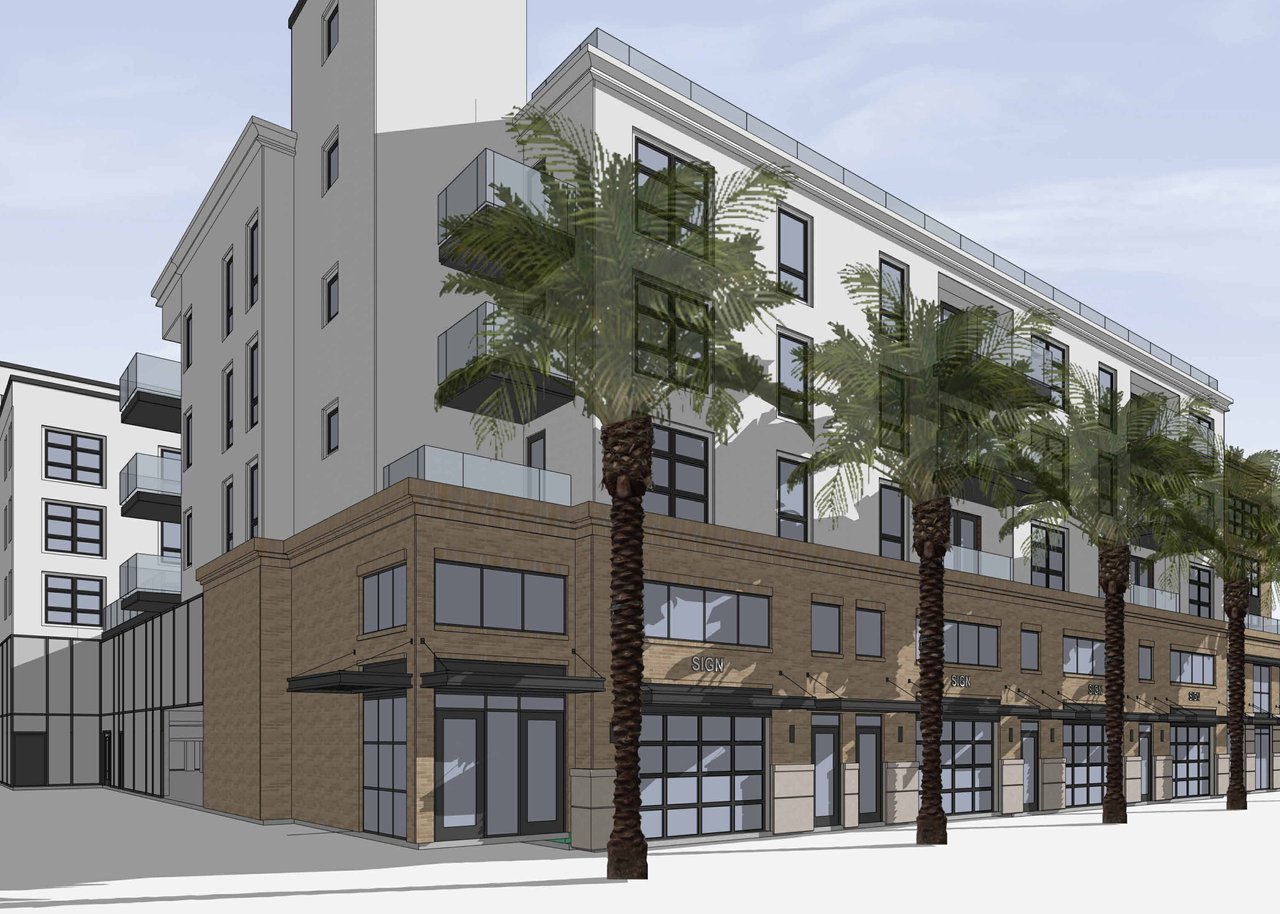
For buyers considering newly constructed homes in communities such as Oxnard's RiverPark or newer residential developments in Camarillo, the program could eventually provide another financing option worth exploring. It could also create opportunities for smaller infill developments and newly constructed for-sale housing, provided those properties meet the program's eligibility and pricing requirements.
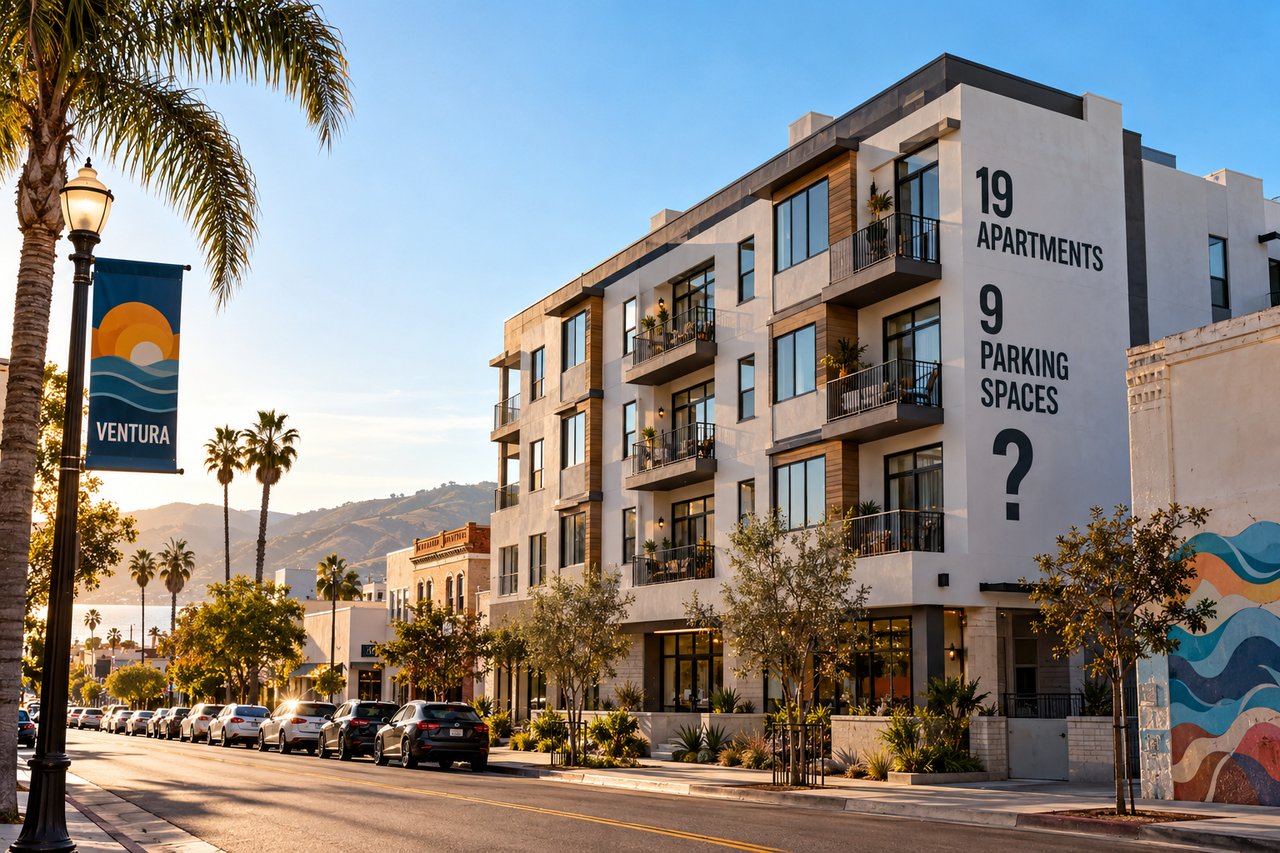
However, there is an important local limitation. Much of Ventura's existing housing inventory consists of older homes, and a substantial portion of the region's new residential development is rental housing rather than homes offered for individual purchase. A program restricted to newly constructed, owner-occupied properties will therefore apply to only a portion of the local housing market.
And because construction costs and land values remain high, some newly built homes may exceed the program's purchase price limits. The number of Ventura County buyers who ultimately benefit will depend on how many qualifying homes are available, the final income and price thresholds, and whether the financing terms are competitive.
Could Proposition 37 Actually Make Housing More Expensive?
One question worth considering is whether increasing purchasing power for certain buyers could also contribute to higher home prices. Economically, that is possible. When buyers gain access to additional financing, their ability to compete for eligible properties may increase. If the supply of those homes does not increase accordingly, sellers and developers may be able to command higher prices.
Proposition 37 attempts to address this concern by limiting assistance to newly constructed housing, with the broader goal of encouraging additional production. By directing financing toward newly built homes, supporters hope the program will create more demand for new housing and provide developers with greater confidence that qualified buyers will be available when their projects are completed.
But there is no guarantee that increased demand will translate into enough additional construction to meaningfully improve affordability. A financing program can help buyers purchase new homes, but it cannot independently solve the challenges associated with producing those homes, including land costs, construction expenses, infrastructure requirements, permitting, and local development regulations.
The California Budget & Policy Center has also raised concerns about the cost of the second mortgage and whether households facing the greatest barriers to homeownership will actually benefit. Its analysis notes that buyers would still need to produce the minimum 3% contribution and qualify for the ongoing payments associated with both mortgages.
There are also concerns about where new construction will occur. In some parts of California, encouraging additional development could increase pressure to build in locations far from employment centers or in areas facing environmental and infrastructure challenges.
These issues do not necessarily negate the potential benefits of Proposition 37, but they demonstrate why down payment assistance alone cannot solve California's housing affordability problem.
When Will Proposition 37 Be Available?
Although Proposition 37 passed in November 2026, the program is not immediately available to homebuyers. CalHFA must establish the financing structure, issue program guidance, coordinate bond funding, and determine how participating lenders will originate and administer the loans.
Among the outstanding questions are the actual interest rates offered to borrowers, repayment terms, underwriting requirements, participating lenders, application procedures, and funding availability. As of November 5, 2026, a confirmed application opening date has not been announced.
Buyers interested in the program should monitor CalHFA for official announcements rather than assuming they can immediately obtain Proposition 37 financing.
The Bottom Line
California's approval of Proposition 37 represents a significant new approach to homebuyer assistance. For qualified buyers purchasing newly constructed homes, the ability to combine a 3% personal down payment with a state-sponsored second mortgage of up to 17% could substantially reduce the savings needed to enter the housing market.
The program's broader income eligibility, lack of a first-time homebuyer requirement, and absence of shared appreciation obligations are also notable features. But buyers should understand what the program does and does not accomplish. It is not a grant, it does not eliminate the need to qualify for a mortgage, and because the second mortgage must be repaid, it does not necessarily make monthly homeownership expenses more affordable.
For Ventura County, where high home prices and limited new construction continue to challenge prospective buyers, Proposition 37 could become a useful financing tool. Its ultimate impact will depend on how the program is implemented and whether enough qualifying homes are built at prices local households can afford.
For buyers who have the income to support homeownership but haven't been able to save a traditional down payment, Proposition 37 is certainly worth keeping an eye on.
Grant Leichtfuss | Ventura Realtor
Berkshire Hathaway HomeServices
Serving homebuyers, sellers, and investors throughout Ventura, Oxnard, Camarillo, and the surrounding communities.
Sources and Further Reading
- California Secretary of State, Proposition 37 Official Voter Information Guide
- California Legislative Analyst's Office, Proposition 37 Analysis, November 2026
- California Tax Credit Allocation Committee, 2026 Income Limits, May 2026
- California Budget & Policy Center, Will Prop. 37 Make Homeownership More Affordable? It's Not Guaranteed, August 2026
- CalMatters, Proposition 37 Explained, October 2026
This article is for informational purposes only. Financing examples are illustrative and do not constitute a loan offer or guarantee of eligibility. Final program requirements and mortgage terms are subject to CalHFA implementation.