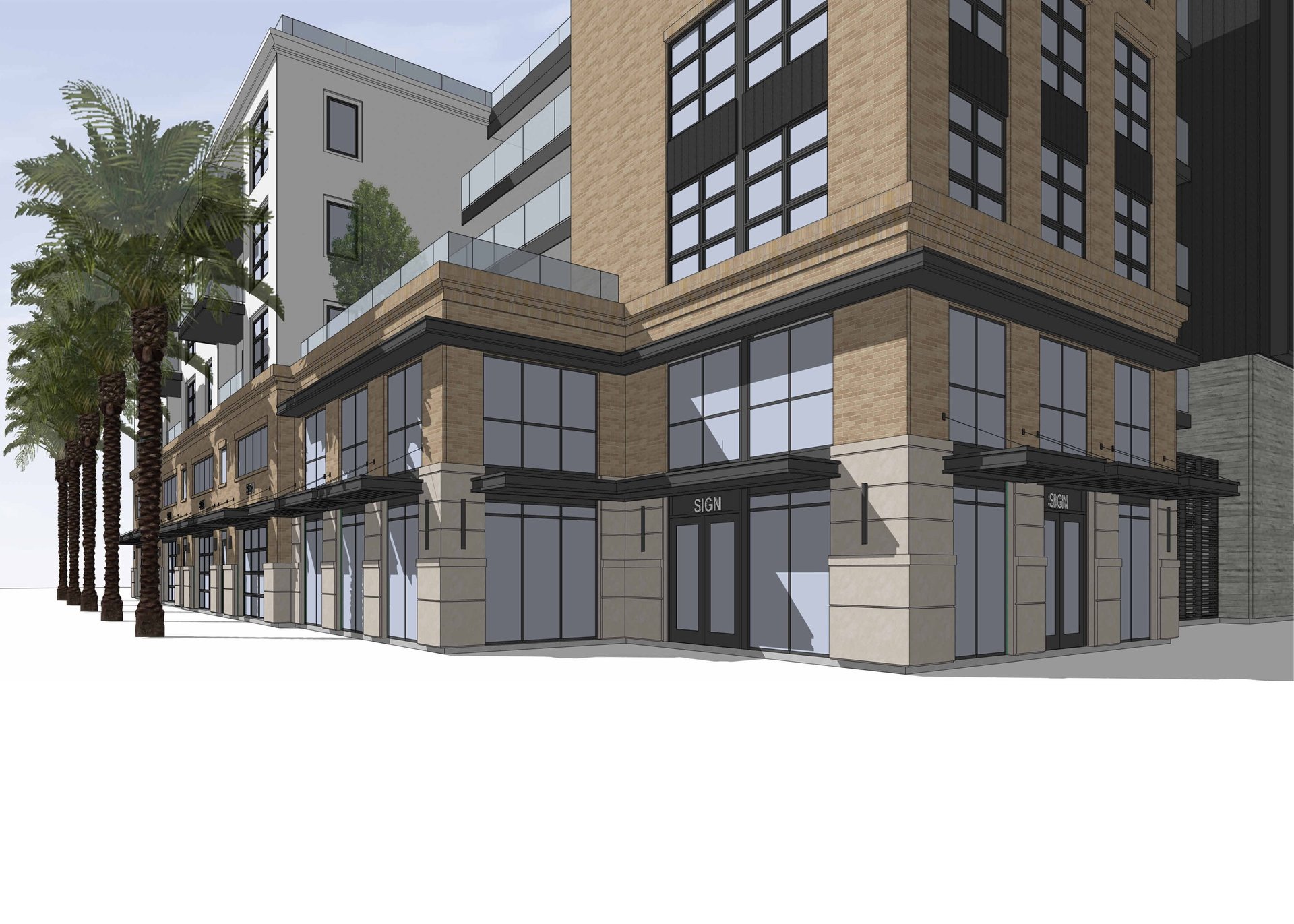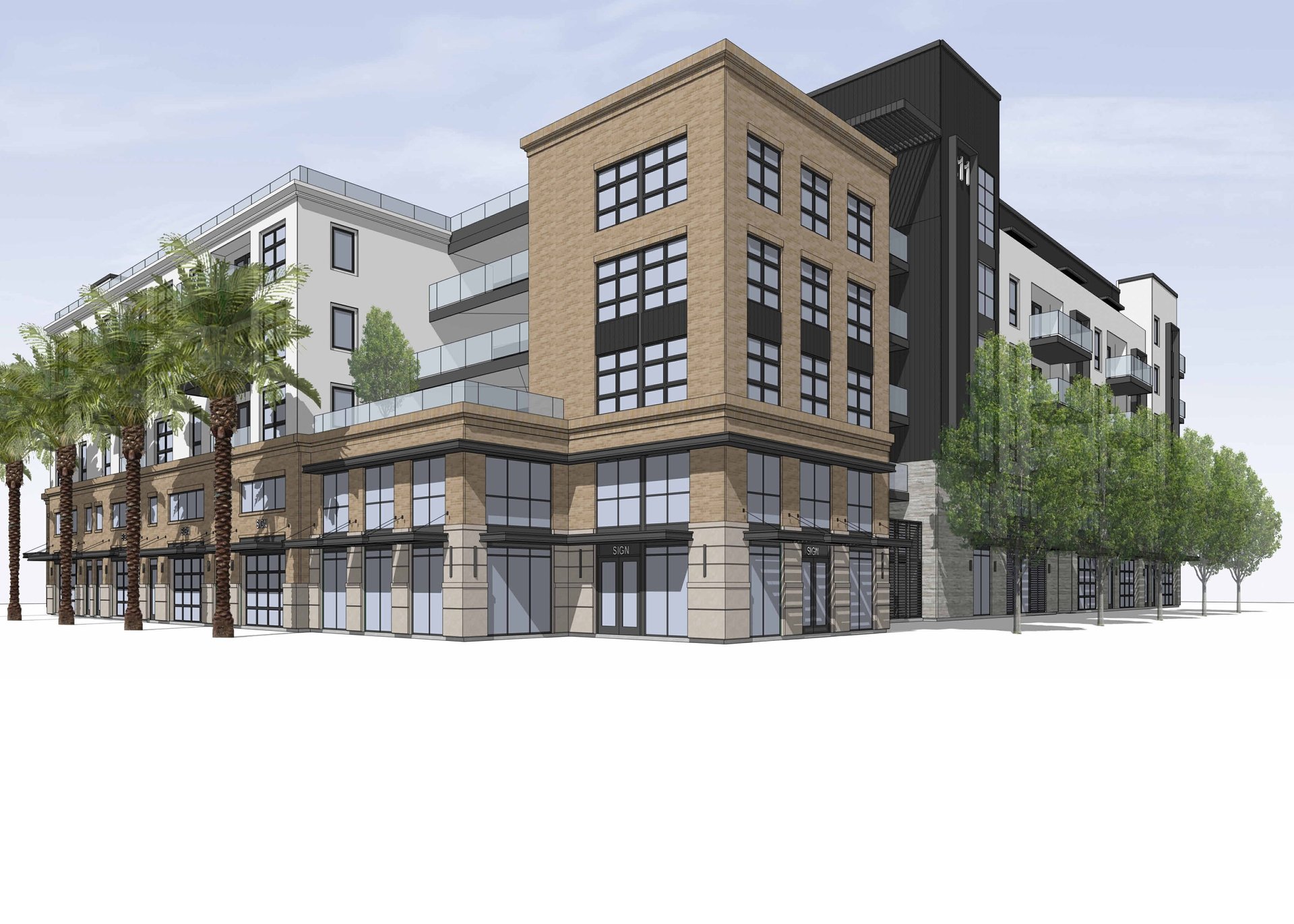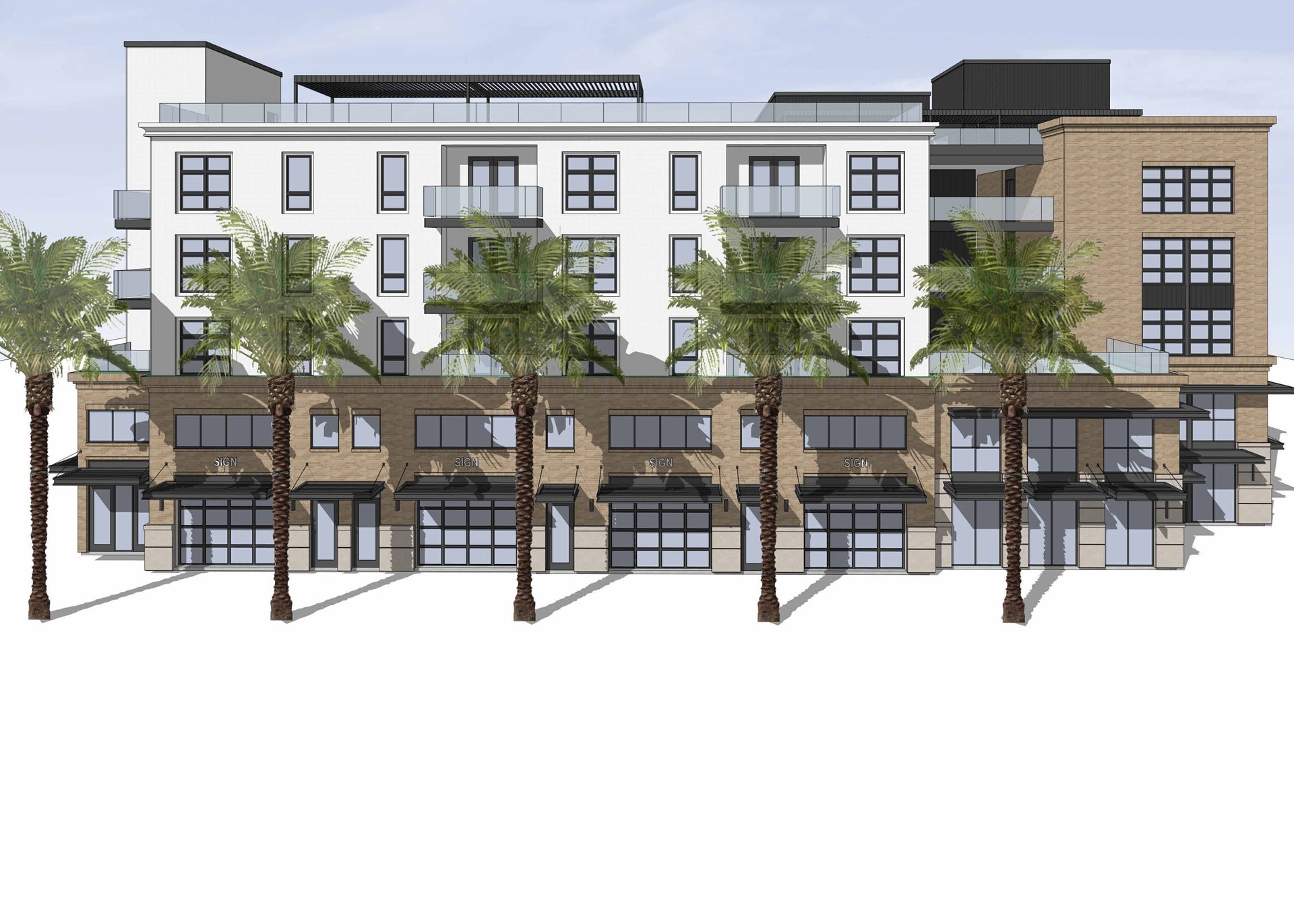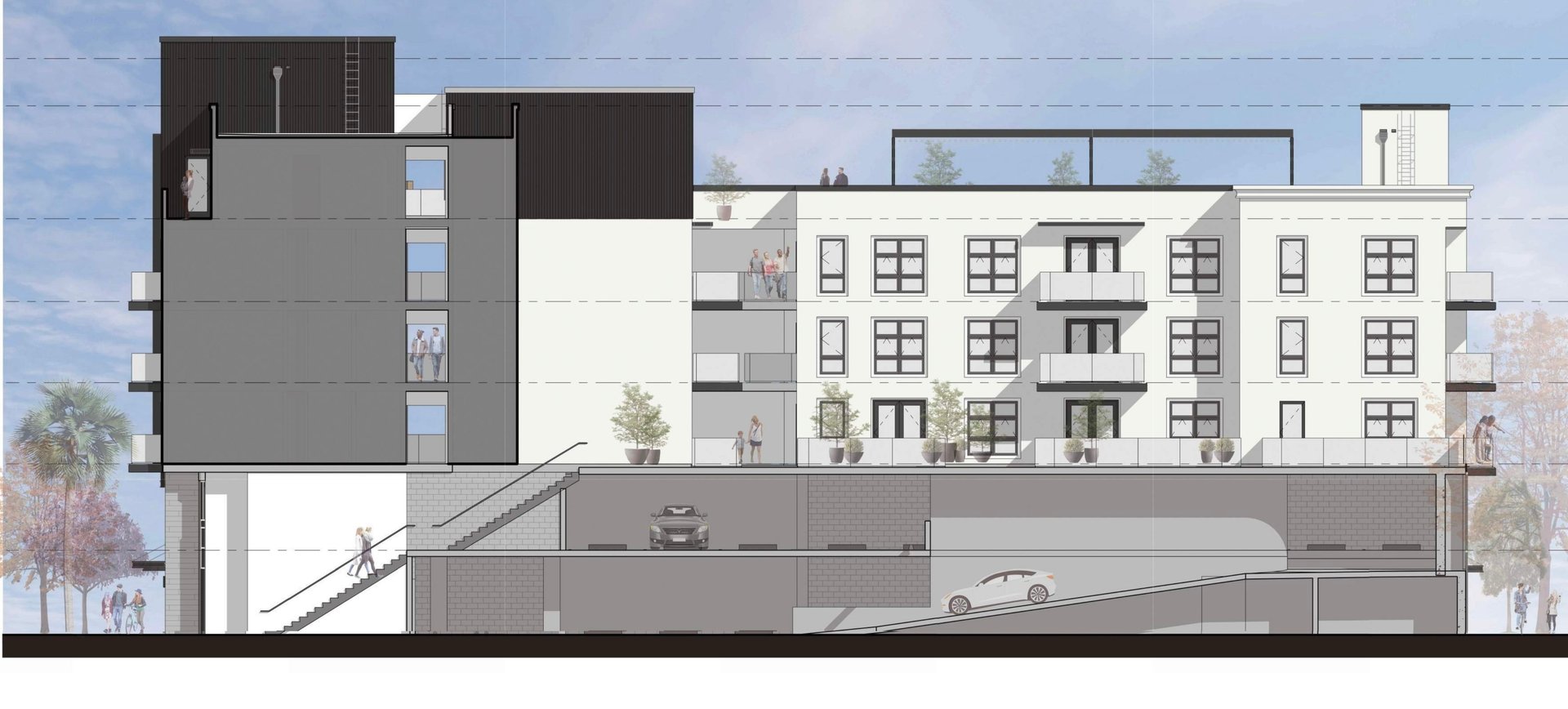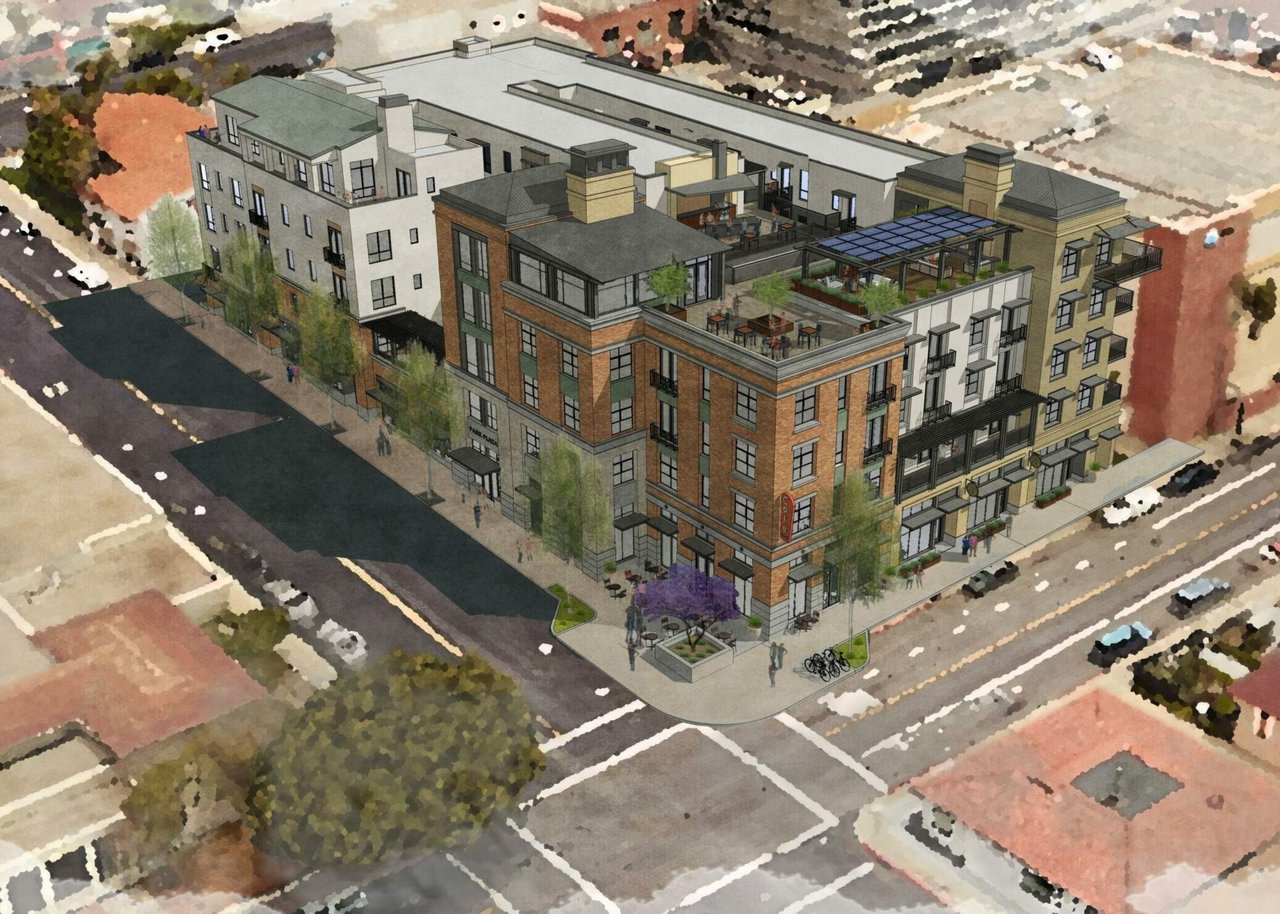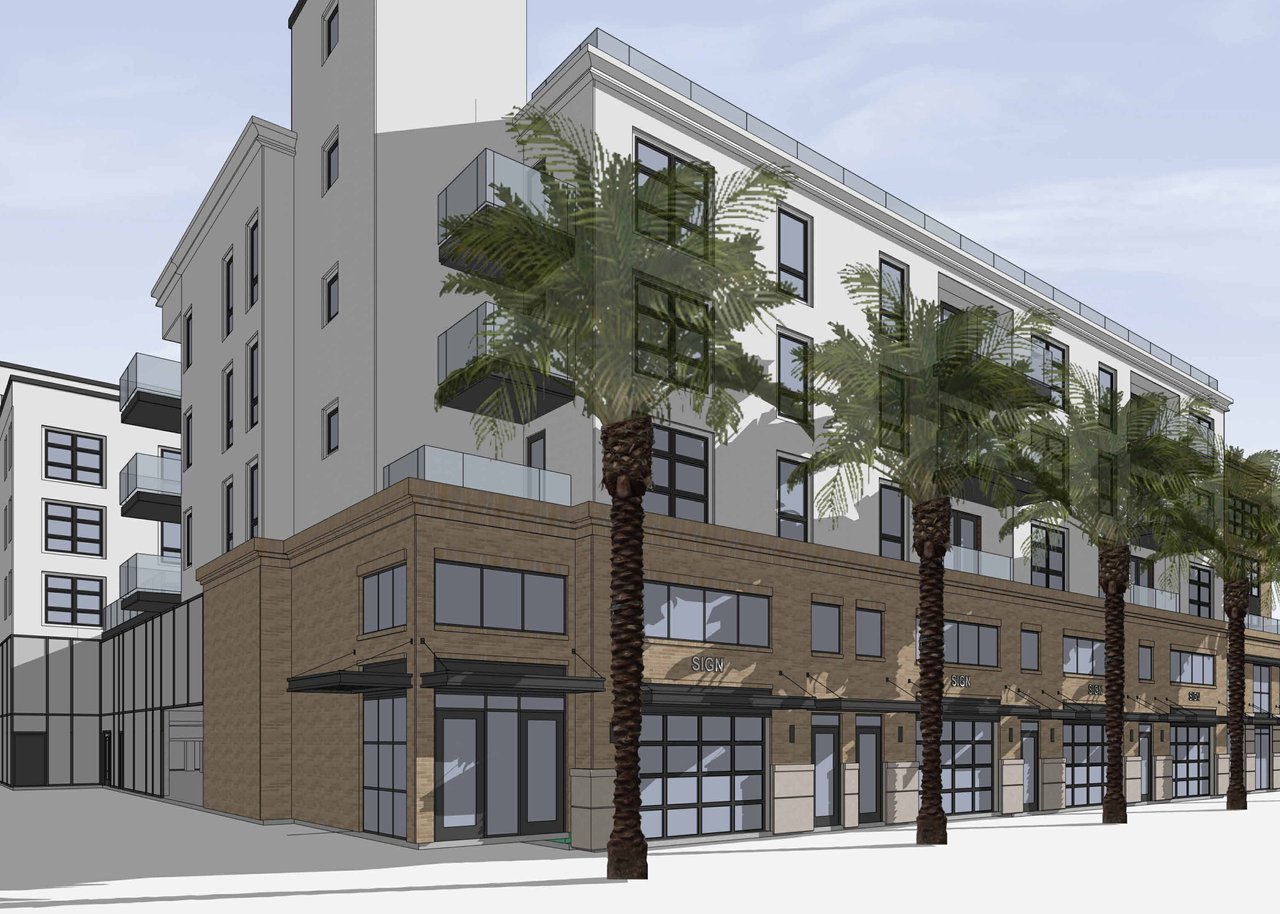
After a lengthy legal battle and a settlement with Livable Ventura, local developer Daly Group is moving forward with a revised six-story development at 211 E. Thompson Boulevard.
New construction homes for sale are becoming increasingly rare in Ventura, particularly when it comes to larger multifamily developments. While many recent housing projects have focused on rental apartments, one Downtown Ventura development is taking a different approach.
The Two Eleven development, located at 211 East Thompson Boulevard at the corner of Thompson Boulevard and Figueroa Street, recently received Planning Commission approval to move forward as a 75-unit condominium project.
The developer is the Daly Group, a local real estate development firm with a history of completing projects in Ventura, including the Kal-Thom development at Kalorama Street and Thompson Boulevard.
But getting to this point hasn't been straightforward.
Originally approved in 2023, Two Eleven faced significant community opposition, a lawsuit filed by local advocacy group Livable Ventura, and an appeal before the parties eventually reached a settlement.
Now, with the legal dispute resolved and revised plans approved, the project is moving forward.
From 94 Rental Apartments to 75 Condominiums for Sale
The Two Eleven project was originally approved by the Ventura City Council in August 2023.
At that time, the development called for a six-story mixed-use building containing 94 rental apartments, including 13 very-low-income units, seven live-work units, and approximately 3,181 square feet of ground-floor commercial space.
In July 2026, the developer received approval to modify those plans, reducing the residential unit count from 94 to 75 and making several changes to the building's design.
The most recent change is arguably the most significant.
Rather than constructing apartments that would be held as rentals, the developer has elected to pursue a condominium subdivision, allowing the individual residences to be sold to buyers.
On September 23, 2026, Ventura's Planning Commission approved the revised project, including the tentative tract map and Coastal Development Permit associated with the condominium ownership structure.
The building's overall footprint and general mixed-use design remain largely unchanged.
The Livable Ventura Lawsuit and Settlement
The Two Eleven project has been the subject of considerable debate since its original approval.
In September 2023, local advocacy group Livable Ventura filed a lawsuit challenging the City's approval of the development.
The lawsuit raised several concerns, including whether the project complied with California's State Density Bonus Law, environmental review requirements, and the California Coastal Act.
Opponents also argued that the proposed six-story building was incompatible with the surrounding neighborhood and could obstruct public coastal views.
The lawsuit followed an earlier appeal of the Planning Commission's approval to the Ventura City Council. In August 2023, the Council voted 4-2 to deny that appeal and uphold the project's approval.
Livable Ventura subsequently pursued its legal challenge in Ventura County Superior Court.
In October 2024, the court ruled in favor of the City of Ventura. However, the legal dispute continued through the appellate process.
Eventually, the two sides reached an agreement.
In November 2025, Livable Ventura and the Daly Group announced a settlement under which the developer agreed to reduce the building's height in response to concerns about its scale, views, and compatibility with the surrounding neighborhood.
The agreement was publicly reported in February 2026, with the building's height reduction described as approximately 10% compared with the original design.
Livable Ventura also withdrew its appeal, bringing the prolonged legal dispute to a close.
The revised plans subsequently approved by the City reduced the building's height by approximately five feet and eight inches and decreased the massing of portions of the upper floors.
The project remains six stories tall, but its overall height and upper-level design have been modified.
For those following this development since its initial approval, the settlement represents a significant milestone. After years of disagreement over the building's size and compatibility with Downtown Ventura, the developer is now proceeding with a revised version of the project.
What Will the Two Eleven Development Include?
The revised project will consist of 75 residential units, including:
- 33 one-bedroom condominiums
- 34 two-bedroom condominiums
- 1 three-bedroom condominium
- 7 live-work units
Of the 75 homes, eight will be designated as affordable for moderate-income households.
The building will also include approximately 1,842 square feet of ground-floor commercial space, 93 on-site parking spaces, and several outdoor gathering areas.
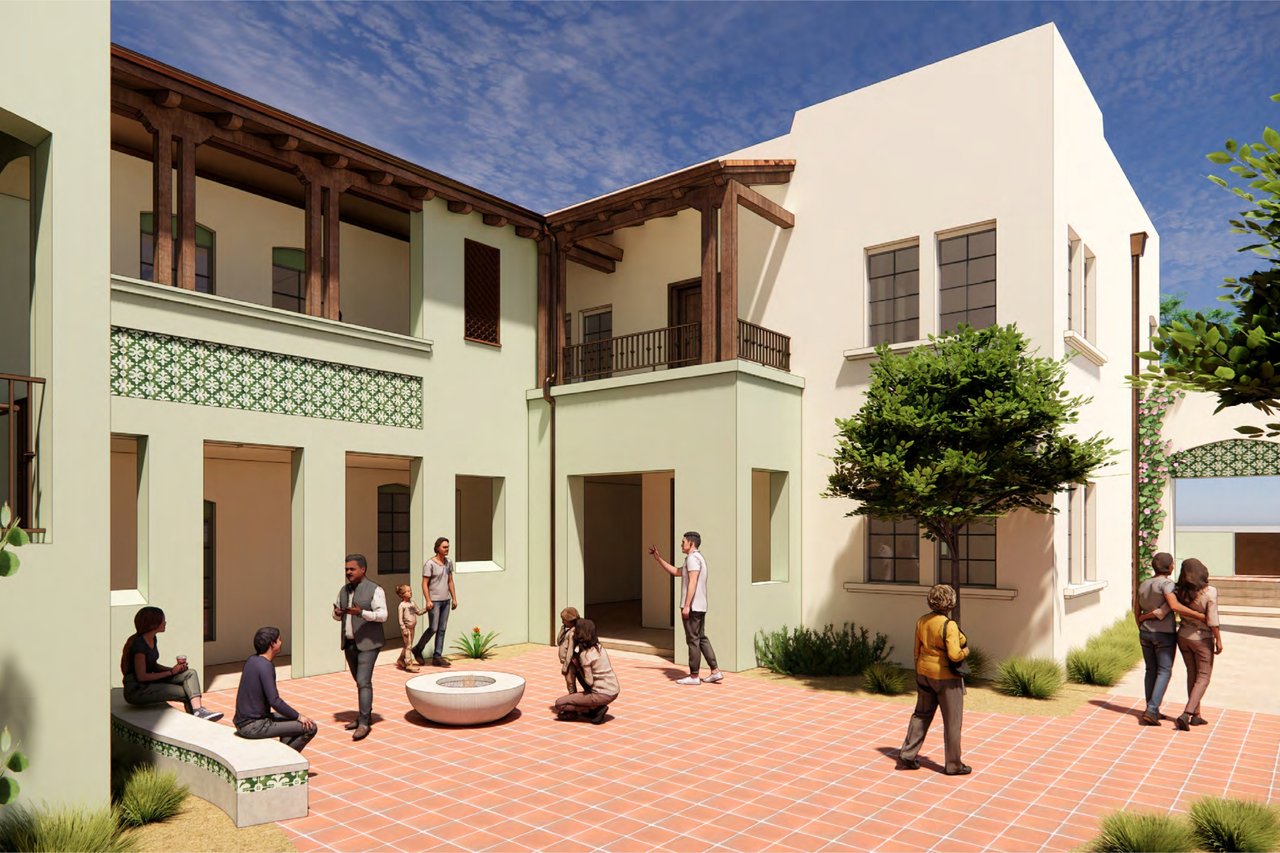
One of the more prominent amenities is a rooftop terrace measuring approximately 4,574 square feet. Additional outdoor space will include a central courtyard, smaller terraces, and a ground-level plaza.
The six-story building will reach approximately 63 feet in height.
The project will occupy three currently vacant parcels that will be combined into one development site.
How California's State Density Bonus Law Factors Into the Project
Like many housing developments throughout California, Two Eleven is utilizing the state's Density Bonus Law.
This law allows qualifying residential developers to build additional housing units and receive certain concessions or waivers from local development standards in exchange for providing affordable housing.
For Two Eleven, the developer is providing eight condominiums affordable to moderate-income households.
That affordable housing component qualifies the project for a 5% density bonus, increasing the allowable residential unit count from 71 to 75.
The project also received one concession and seven waivers from applicable development standards.
Among those waivers are allowances for additional building height, modifications to courtyard requirements, and construction of one building rather than two separate structures.
For example, the Downtown Specific Plan generally limits buildings in this particular zoning district to three stories, with a portion of the building permitted to reach four stories.
Through the Density Bonus Law, the developer has received relief from those height restrictions to accommodate the proposed development.
This was one of the central issues raised during the original controversy surrounding Two Eleven.
The Density Bonus Law significantly limits a city's ability to deny qualifying concessions and waivers, provided the project satisfies the requirements established under state law.
That creates an ongoing tension between local development standards and California's broader efforts to increase housing production.
Eight Affordable Condominiums Included
Another notable aspect of the project is the inclusion of eight affordable ownership units.
These homes will be designated for moderate-income households, rather than very-low-income renters as contemplated in the original version of the project.
Under the approved condominium structure, the affordable units will be subject to affordability restrictions for 45 years.
The affordable homes will be incorporated into the development alongside the market-rate condominiums and will have access to the building's common amenities.
Specific sales prices, buyer qualification procedures, and the timing of affordable unit availability have not yet been announced in the planning materials.
Why For-Sale Housing Matters in Ventura
One of the more interesting aspects of this project is the developer's decision to shift from rental apartments to for-sale condominiums.
Much of the larger-scale multifamily housing development proposed throughout California is designed as rental housing. Building condominiums for individual sale introduces a different set of financial, legal, and construction considerations for developers.
Condominium construction can carry additional liability and insurance considerations, while financing, construction costs, and market conditions also influence whether a project is financially viable.
For these reasons, larger new-construction condominium developments can be more challenging to deliver than rental apartments.
That's what makes the Two Eleven project particularly interesting.
Rather than adding 75 rental apartments to Downtown Ventura, the developer is proposing 75 opportunities for individual homeownership.
Of course, the ultimate impact on housing affordability will depend on the eventual sales prices of the market-rate units. New construction does not automatically mean affordable housing, especially in a coastal market like Ventura.
Still, providing additional ownership options can be an important part of a balanced housing market, particularly for buyers looking for something other than a traditional single-family home.
What's Next for Two Eleven?
With the lawsuit settled and Planning Commission approval secured, the project moves into the next stages of the development process.
These include completing the necessary subdivision requirements, finalizing construction plans, satisfying applicable conditions of approval, and obtaining building permits.
The Planning Commission's approval does not mean construction can begin immediately.
At this point, a confirmed construction start date, completion timeline, and condominium pricing have not been announced in the materials reviewed.
As the developer progresses through permitting, additional details about the construction schedule and eventual sales process should become available.
A New Chapter for Downtown Ventura
The Two Eleven development represents another step in the continued evolution of Downtown Ventura.
After years of planning, public debate, litigation, and revisions, the project is moving forward with a different residential ownership model and a somewhat smaller building than originally proposed.
The development will transform a collection of vacant parcels along Thompson Boulevard into a six-story mixed-use building with residential condominiums, commercial space, and outdoor amenities.
Perhaps most importantly, it will introduce a type of housing that has become relatively uncommon among larger new developments in Ventura: newly constructed condominiums available for individual purchase.
I'll continue following the project as additional details become available.
What do you think? Would you prefer to see more new-construction condominiums for sale in Ventura, or should developers focus on building additional rental apartments?
Grant Leichtfuss is a Ventura-based Realtor with Berkshire Hathaway HomeServices California Properties, covering local real estate, housing developments, and issues affecting property owners throughout Ventura County.